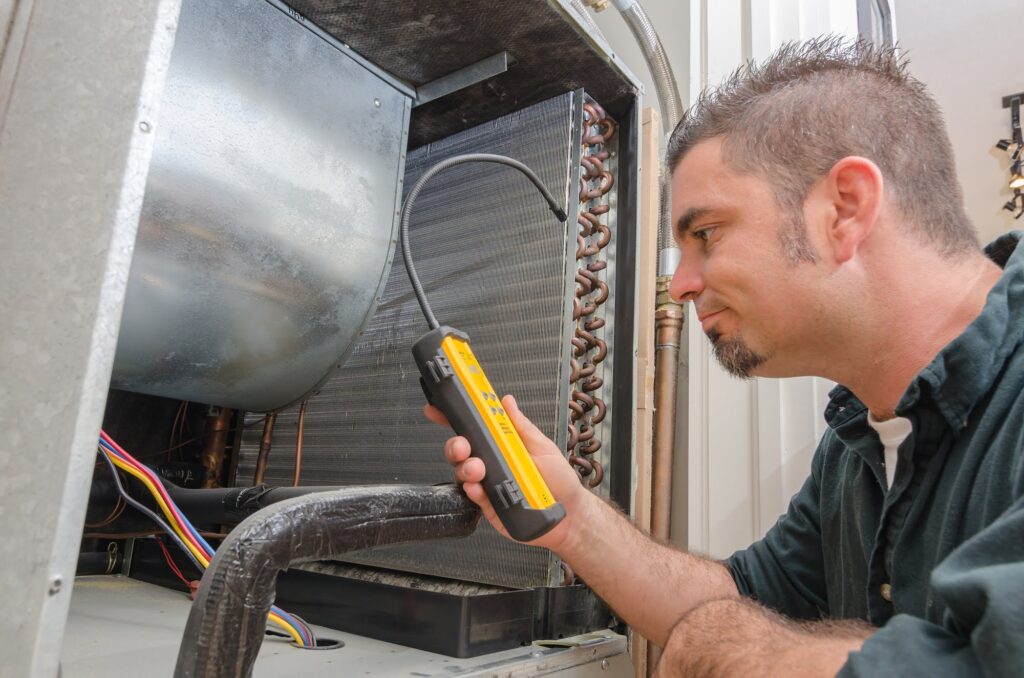
Radon is an invisible, odorless radioactive gas that seeps into homes through foundation cracks and gaps, posing serious health risks to occupants. While radon exposure is a concern for all homeowners, the approach to removing this dangerous gas varies significantly depending on your foundation type. Whether you have a basement, crawl space, or slab-on-grade foundation, understanding the specific radon removal methods designed for your home’s structure is essential for creating a safer living environment.
Understanding How Radon Enters Different Foundation Types
Before exploring removal solutions, it’s important to understand how radon infiltrates homes based on foundation design. Radon originates from the natural decay of uranium in soil and rock beneath buildings. As this gas moves upward through the ground, it seeks the path of least resistance into your home.
Basement foundations are particularly vulnerable because they extend below ground level, creating multiple entry points through floor-wall joints, cracks in concrete, and utility penetrations. The soil gases containing radon are drawn into basements through these openings due to the slight negative pressure that exists inside homes compared to the soil beneath.
Crawl space foundations present a different challenge. These shallow areas beneath homes often have exposed dirt floors or minimal concrete coverage, allowing radon to accumulate in the confined space before migrating into living areas through floor penetrations and gaps. The limited ventilation in many crawl spaces can lead to concentrated radon levels.
Slab-on-grade homes, built directly on concrete pads poured at ground level, might seem less vulnerable, but they’re still at risk. Radon can enter through control joints, expansion cracks, and gaps around utility lines that penetrate the slab. Even small openings can allow significant radon infiltration over time.
Radon Removal Solutions for Basement Foundations
Sub-slab depressurization is the most effective radon removal method for homes with basement foundations. This technique works by creating a vacuum beneath the concrete floor, preventing radon from entering the living space and redirecting it safely outside. A system of pipes is installed through the basement floor, extending into the aggregate or soil beneath. A specialized fan then draws radon from below the slab and vents it above the roofline, where it harmlessly disperses into the atmosphere.
For basements with particularly high radon levels or complex layouts, multiple suction points may be necessary to ensure comprehensive coverage. The placement of these extraction points depends on factors like floor thickness, soil permeability, and the presence of interior footings that might block airflow beneath the slab.
Basement waterproofing modifications can complement radon removal efforts. Sealing major cracks and gaps in foundation walls and floors reduces radon entry points, though sealing alone rarely provides adequate protection. When combined with active depressurization systems, however, these measures enhance overall effectiveness.
Drain tile suction offers an alternative approach for basements with existing perimeter drainage systems. If your home has interior or exterior drain tiles installed during construction, these can be adapted for radon removal by connecting them to a ventilation fan. This method utilizes the existing drainage network to create suction around the foundation perimeter.
Radon Removal Strategies for Crawl Space Foundations
Crawl spaces require different removal strategies due to their unique construction and accessibility challenges. The primary approach involves crawl space depressurization, which functions similarly to sub-slab systems but is adapted for the crawl space environment.
Installing a soil gas collection system in crawl spaces typically begins with covering any exposed dirt floors with a heavy-duty vapor barrier. This membrane, sealed at all seams and edges, prevents radon from entering the crawl space directly. Beneath this barrier, a network of perforated pipes collects radon-laden soil gas, which is then mechanically vented outdoors.
Crawl space pressurization presents an alternative method in certain situations. By using fans to blow outdoor air into the crawl space, this approach creates positive pressure that prevents radon from entering from below. However, this method requires careful consideration of moisture control, as introducing outdoor air can sometimes lead to condensation issues in humid climates.
Improving natural ventilation in crawl spaces can supplement mechanical removal systems, though it rarely suffices as a standalone solution. Adding vents or enhancing existing ventilation helps dilute radon concentrations but typically cannot reduce levels to safe thresholds without active mechanical systems.
Radon Removal Techniques for Slab-on-Grade Homes
Homes built on concrete slabs present unique challenges for radon removal because there’s no accessible space beneath the living area. Despite these constraints, effective solutions exist for slab foundations.
Sub-slab suction remains viable for slab homes but requires different installation techniques. Contractors drill through the concrete slab to create suction points that reach the aggregate or soil beneath. Because there’s no basement to house system components, pipes typically run along exterior walls or through closets and utility areas to reach the roof exhaust point.
The thickness and integrity of slab foundations significantly impact system design. Thicker slabs with dense concrete may require more suction points to achieve adequate coverage, while thinner slabs with existing cracks might respond well to fewer extraction locations.
Submembrane depressurization works for slab homes with accessible areas beneath portions of the foundation, such as attached garages with dirt floors or adjacent crawl spaces. A membrane is placed over exposed soil, and suction is applied beneath it to intercept radon before it migrates under the main slab.
Block wall suction can address radon entry through hollow concrete block foundations common in slab homes. This technique involves creating suction within the hollow cores of block walls, preventing radon from entering through these pathways into the living space.
The Importance of Radon Testing
Radon testing is the critical first step in any removal strategy, regardless of foundation type. Without proper testing, homeowners cannot know whether radon is present at dangerous levels or whether mitigation efforts have successfully reduced concentrations to safe thresholds.
Initial radon testing should occur before implementing any removal system. Short-term tests provide quick results, giving homeowners a snapshot of radon levels over several days. Long-term tests, conducted over several months, offer more accurate readings that account for seasonal variations in radon infiltration.
Post-mitigation radon testing verifies that removal systems are functioning properly. After installation, testing confirms that radon levels have decreased to acceptable ranges. Ongoing periodic testing ensures systems continue operating effectively over time, as mechanical components can fail or soil conditions can change.
Professional radon testing differs from do-it-yourself kits in accuracy and reliability. While home test kits provide useful preliminary information, professional testing services use calibrated equipment and follow strict protocols that ensure valid results. These professional assessments often include multiple testing locations and a detailed analysis of factors affecting radon levels in your specific home.
Professional Radon Removal Services
While some homeowners attempt DIY radon removal, professional services offer significant advantages in effectiveness, safety, and long-term reliability. Certified radon mitigation professionals bring expertise in diagnosing radon entry routes, designing appropriate systems for specific foundation types, and ensuring installations meet safety standards.
Professional assessment begins with a comprehensive evaluation of your home’s structure, existing radon levels, and unique characteristics that influence mitigation strategy. Experts can identify the most effective removal method for your foundation type and determine optimal locations for system components.
Installation quality directly impacts system performance. Professional contractors have specialized tools and training to properly install suction pipes, seal penetrations, and position ventilation fans for maximum effectiveness. They understand building codes and can ensure systems comply with local regulations.
Warranty protection provides the peace of mind that professional services offer. Reputable mitigation companies guarantee their work, promising to adjust or enhance systems if post-installation testing reveals inadequate radon reduction. This assurance protects your investment and ensures your family’s safety.
System maintenance and monitoring are ongoing responsibilities that professionals can manage. Regular inspections verify that fans operate correctly, pipes remain sealed, and the system continues providing protection. Professional service contracts often include periodic testing and preventive maintenance.
Choosing the Right Removal Method for Your Home
Selecting the appropriate radon removal approach depends on multiple factors beyond foundation type. Soil conditions affect how easily radon can be extracted from beneath your home. Clay soils with low permeability may require more extensive systems than sandy, permeable soils.
Home construction details influence system design. The presence of interior footings, multiple foundation levels, or complex floor plans may necessitate customized solutions that combine different removal techniques.
Budget considerations play a role, though they should never compromise effectiveness. While costs vary based on foundation type and system complexity, investing in proper radon removal protects your family’s health and maintains your home’s value.
Climate and weather patterns can affect radon levels and system performance. Homes in regions with significant temperature variations or high humidity may require specific system features to ensure year-round effectiveness.
Conclusion
Radon removal is not a one-size-fits-all solution. The most effective approach depends on your home’s foundation type, construction details, and specific radon infiltration patterns. Whether you have a basement, crawl space, or slab foundation, proven removal methods exist to reduce radon levels and protect your family’s health.
Understanding the unique challenges and solutions for your foundation type empowers you to make informed decisions about radon mitigation. While the technical aspects may seem complex, professional radon removal services can assess your situation, recommend appropriate systems, and ensure proper installation that provides lasting protection.
Contact us today to schedule your radon assessment. Let us help you breathe easier knowing your home’s air is safe and healthy. Your family’s well-being is our priority, and we’re here to provide the expert solutions you need. Call us or visit our website to learn more about our radon mitigation services and take the first step toward a safer home.
Frequently Asked Questions
How do I know which foundation type I have?
Most homeowners can determine their foundation type through visual inspection. If you have a full-height underground space with concrete walls, you have a basement. If there’s a shallow space beneath your main floor, typically less than waist-high with visible floor joists, you have a crawl space. If your main floor sits directly on a concrete pad at ground level with no space beneath, you have a slab foundation.
Can radon removal systems work for homes with multiple foundation types?
Yes, many homes combine foundation types, such as a basement under part of the house and a crawl space or slab under additions. Professional mitigation can design integrated systems that address each foundation type appropriately, often connecting them to a single exhaust point for efficiency.
How long does radon removal system installation take?
Installation timeframes vary by foundation type and system complexity. Most residential installations are completed within a single day, though larger homes or those requiring multiple suction points may take longer. The process typically involves some drilling and minor construction, but disruption to daily life is minimal.
Will a radon removal system increase my energy costs?
Radon mitigation fans run continuously to maintain protection, consuming electricity comparable to a standard light bulb. The energy cost is minimal, typically adding just a small amount to monthly utility bills. Modern energy-efficient fans minimize this impact while providing reliable radon reduction.