
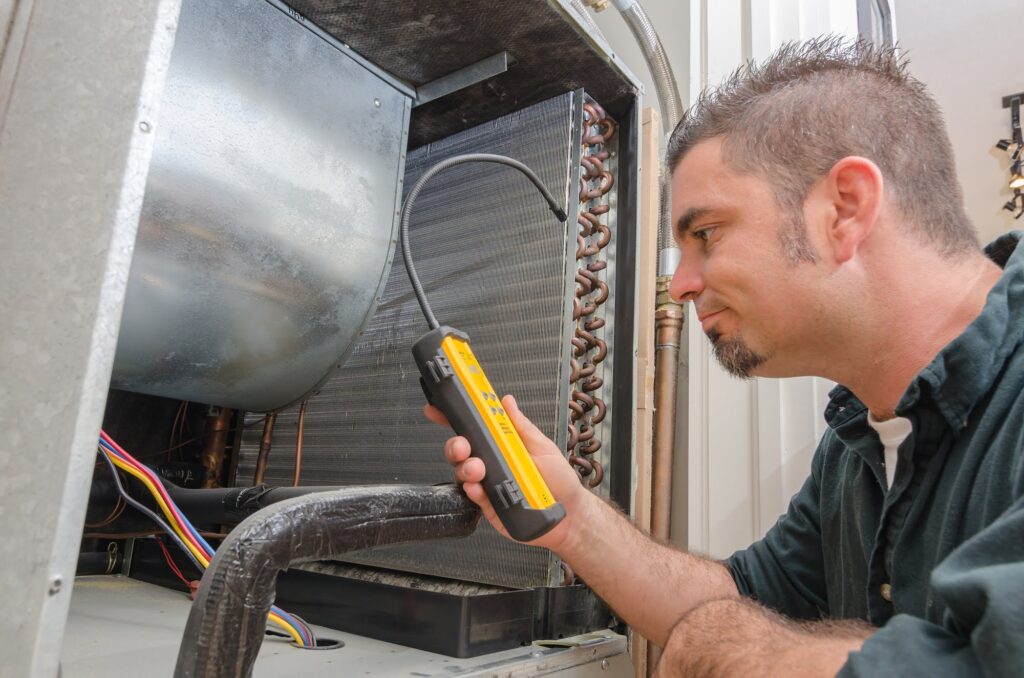
When you schedule a radon consultation for your home or workplace, you’re taking an important step toward protecting your indoor environment. Understanding what happens during this process can help you feel more prepared and confident about addressing potential radon concerns. A consultation is designed to be straightforward and informative, giving you the knowledge you need to make decisions about your property’s air quality.
Understanding the Initial Assessment
Your consultation typically begins with a conversation about your property and any concerns you might have. The consultant will want to learn about your building’s structure, age, and any previous testing that may have been done. This discussion helps create a complete picture of your situation and allows the consultant to tailor their approach to your specific needs.
During this phase, you’ll have the opportunity to ask questions about radon itself, how it enters buildings, and why radon testing matters for your particular property type. The consultant will explain the process in terms that make sense without overwhelming you with unnecessary jargon. This initial conversation sets the foundation for everything that follows and ensures everyone is on the same page about goals and expectations.
The Property Walkthrough
After the initial discussion, the consultant will conduct a thorough walkthrough of your property. This isn’t just a quick glance around—it’s a careful examination of areas where radon might enter or accumulate. The consultant will look at your foundation type, basement or crawl space configuration, and other structural features that influence radon behavior.
You don’t need to prepare anything special for this walkthrough, though having access to all areas of your home or building is helpful. The consultant might spend time in your basement, examining cracks in the foundation, sump pump areas, or utility penetrations. They’re looking for potential entry points and evaluating how your building’s design might affect radon levels.
What the Consultant Is Looking For
During the walkthrough, the consultant observes factors that could influence radon concentration in your building. They’ll note ventilation patterns, the presence of existing mitigation systems if any, and areas where air exchange occurs. This observation helps them understand how air moves through your space and where interventions might be most effective if needed.
The consultant will also consider your building’s usage patterns. Whether people spend time in lower levels, how the space is heated and cooled, and even seasonal variations in building use all play a role in understanding your radon situation. This holistic view ensures that any recommendations will be practical and relevant to how you actually use your space.
Testing Recommendations and Options
Based on what the consultant learns during the assessment, they’ll discuss testing options with you. There are different approaches to measuring radon levels, and the consultant will explain which methods might work best for your situation. They’ll describe how long testing takes and what conditions are ideal for getting accurate results.
The consultant will also explain what the testing process involves from your perspective. You’ll learn about any preparations you might need to make, such as keeping windows and doors closed during certain types of tests, and what to expect in terms of timing for results. This transparency helps you plan accordingly and ensures the testing process goes smoothly.
Discussing Results and Next Steps
Once testing is complete, the consultant will review the findings with you. They’ll explain what the numbers mean in practical terms and how they relate to your indoor air quality. Rather than simply stating whether levels are above or below a certain threshold, good consultants help you understand the bigger picture of what radon levels mean for your specific situation.
If elevated radon levels are detected, the consultant will discuss potential solutions. This conversation focuses on what approaches might work for your building’s unique characteristics. They’ll consider factors like your budget, timeline, and how different solutions might integrate with your existing systems. The goal is to provide you with information that helps you make informed decisions rather than feeling pressured into immediate action.
Understanding Your Options
The consultant should present options in a way that makes sense for your circumstances. They might discuss various approaches to reducing radon levels, explaining how each method works and what you can expect from implementation. This isn’t about pushing a single solution but rather ensuring you understand the landscape of possibilities.
You’ll also learn about what comes after any mitigation work, including how effectiveness is verified and what ongoing considerations you might need to keep in mind. This forward-looking perspective helps you understand that addressing radon is a process with clear steps and outcomes rather than a mysterious or complicated ordeal.
Creating a Customized Plan
By the end of your consultation, you should have a clear understanding of your property’s radon situation and a path forward. The consultant will help outline what happens next, whether that’s scheduling mitigation work, conducting additional testing, or simply maintaining awareness of radon in your building management practices.
This plan should feel personalized to your needs rather than generic. Every building is different, and solutions that work for one property might not be ideal for another. A thorough consultation results in recommendations that acknowledge your property’s specific characteristics and your personal priorities regarding indoor air quality and safety.
A radon consultation demystifies what can seem like a complex issue. By the time you’ve completed the process, you should feel informed and empowered to make decisions about your indoor environment. You’ll understand not just what radon levels exist in your building but why they matter and what realistic options you have for addressing them.
The value of a consultation extends beyond immediate answers. You’ll gain knowledge about indoor air quality that serves you long-term, helping you make better decisions about ventilation, maintenance, and building improvements. This educational aspect transforms the consultation from a simple service call into an opportunity to become a more informed property owner or manager.
A radon consultation provides clarity and direction for addressing indoor air quality concerns. From the initial conversation through the property assessment and result discussion, the process is designed to give you a comprehensive understanding and practical options. You’ll leave knowing more about your building, radon behavior, and how to create a healthier indoor environment. If you’re ready to take the next step in protecting your property’s air quality, connect with our team to schedule your consultation today.
Frequently Asked Questions
How long does a typical radon consultation take?
Consultation length varies depending on property size and complexity, but most assessments can be completed in a reasonable timeframe that respects your schedule while ensuring thoroughness.
Should I be present during the entire consultation?
While it’s helpful to be available for the initial discussion and final review, you don’t necessarily need to accompany the consultant during every moment of the property walkthrough.
Can radon consultations be done for commercial properties?
Absolutely. Consultations can be conducted for any type of building, including commercial spaces, schools, and multi-family dwellings, with approaches adapted to each property’s unique characteristics.
What should I do to prepare for a radon consultation?
Minimal preparation is needed. Simply ensure access to all areas of your property, particularly lower levels, and gather any previous testing documentation if available.
Is a consultation necessary if I’ve already had radon testing done?
Even with previous testing, a consultation can provide valuable context for understanding those results and determining whether any action is needed based on current conditions and building changes.


